

Start with the work the person will actually do.
The search is defined by tasks, tools and level of autonomy. Explore the trades we select and describe yours.
How we define the selection criteria
A CV states the trade. We check how it is practised, which is why every validation starts from the real role.
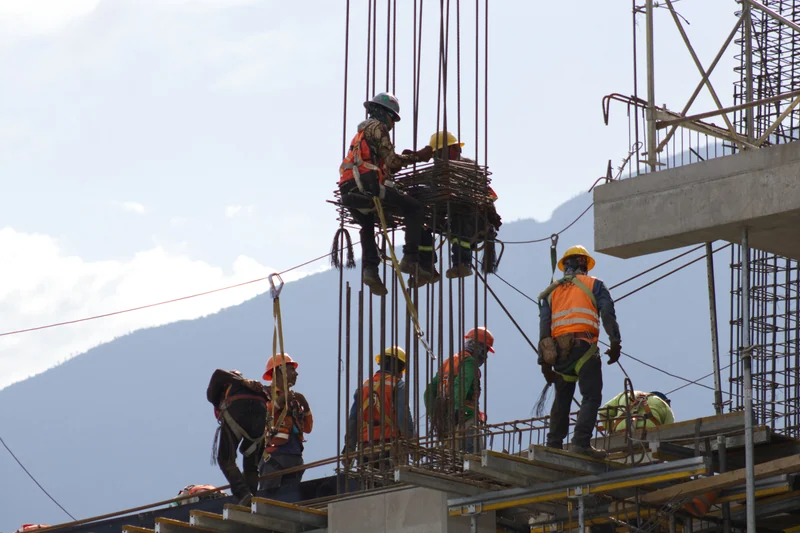
Tasks
What the person will do every day, in what environment and with what responsibility.
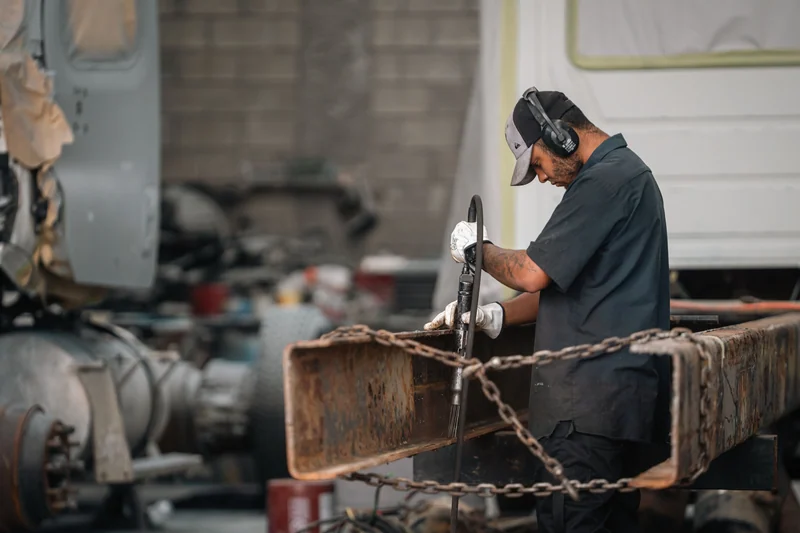
Tools and materials
Which equipment, processes and materials they must master for the role.

Autonomy
Whether they will work under supervision or carry a task on their own, and which accreditations apply.


How we validate every candidate.
Before we present a profile to you, it goes through these four filters.
Task-based interview
We ask about specific jobs: what they did, with which equipment and how independently.
Experience checked
We review their track record and the certificates or credentials they bring for their trade.
Fit with your position
We compare what they can do with your position brief, point by point.
Clear conditions
They know the position, the city and the conditions before the paperwork starts.
What we need to get started
You don't need everything settled: we shape it with you.
The trade and the number of hires.
The municipality of the workplace.
The duties and the essential experience.
An expected start date, even if approximate.
Full information
Everything worth knowing, grouped by topic. Open the one you need.
How we define the position
A builder reinforcing a site does not need the same as a plant looking for maintenance technicians. That is why we start from the real position, not from a job title.
What we set out with you
- The trade and the sector.
- The day-to-day tasks and the level of autonomy.
- The minimum experience and the qualifications or licences the position requires.
- The machines, tools or materials they will work with.
- The number of people, the town and the start date.
- The conditions: salary under the collective agreement, shifts and, if any, accommodation.
With that brief we focus the search and send you a fixed proposal.
The trades we place most
These are the profiles where we have the most experience. Each trade's sheet shows what we review.
- Welders: TIG, MIG/MAG or stick, in structural, boilermaking or naval work.
- Sheet-metal workers: fabrication, repair and forming of sheet metal.
- High- and medium-voltage electricians: lines, substations and electrical installations.
- Mechanics: maintenance, diagnosis and repair of vehicles and machinery.
- Bricklayers: brickwork, renders and general site work.
- Formwork carpenters: assembling and dismantling formwork for structures.
- Aluminium and PVC joiners: fabrication and installation of enclosures.
- Industrial operators: production, lines and equipment operation.
If the position requires a legal licence, as in electrical installations, the legal department first studies how to certify it.
Need another trade?
Tell us anyway. We study every vacancy and tell you frankly whether we can fill it and how long it will take, before asking for any commitment.
How we select candidates
- We search for the trade across our network in more than 15 countries.
- We interview each candidate about specific tasks of their work.
- We review their experience and check it against the requirements of the position.
- We explain the position and the conditions to them before presenting them.
- We present only the profiles that fit and coordinate your interviews.
- Your company chooses whom to hire.
Assessments are adapted to the trade: a welder is not assessed like a driver.
When international recruitment fits
It fits especially if your company:
- Has spent months unable to fill a skilled-trade vacancy.
- Needs technical profiles the local market does not supply.
- Has sites, production lines or seasons that depend on those workers.
- Can plan the hire with 4 or 5 months' notice.
International recruitment does not remove the legal requirements: we study them with you from the start.
How to request professionals
The essentials are enough. With that information we study the position and reply with a proposal.
- Sector.
- Trade or speciality.
- Number of professionals.
- Experience required.
- Place of work.
- Preferred start date.
- Any detail you want to add.
We settle the rest with you: you do not need everything closed to start.
Questions about recruitment
How we define the profile and how we check that it fits your position.
Which trades can you recruit?
Skilled trades in eight sectors: industry and metal, construction, energy and renewables, automotive, shipbuilding, agri-food, transport and logistics, and hospitality. If your position is not listed, tell us: we study every vacancy.
How do you define the profile I need?
With a job sheet: tasks, tools or machinery, level of autonomy, shifts, workplace and expected start date. That sheet sets the criteria we recruit with at origin.
How do you check each candidate's experience?
We interview every person, compare their track record with your position and check qualifications, certificates or licences when the trade requires them. Before we present a candidate you know what we have checked.
Who decides whom to hire?
You do. We present the profiles that fit, you interview them and choose. We coordinate everything else.
Can I ask for several positions in the same request?
Yes. You can list several trades, also from different sectors, with the number of people you need for each.
How long until the professional starts?
On average, between 4 and 5 months from the moment you choose the candidate. It depends on the country of origin, the legal route and the authorities' timescales.
Do you have a skilled-trade vacancy you cannot fill?
Tell us about the position and we reply with a fixed proposal, with no commitment.